Hello Ronja, what does minimalism mean to you from an interior design perspective – especially in family life?
For me, minimalism with children doesn't mean living in an empty room or owning as few things as possible – in my opinion, that's rather unrealistic in everyday family life. However, I constantly notice how much our clients long for a calm, yet warm living space because it makes everyday life easier and reduces stress. So it's about reducing visual clutter.
For me, minimalism therefore means designing rooms in such a way that they exude calm and allow the mind to relax upon entering. Of course, it also helps to choose more consciously and to aim for durable items.
Why is a calm environment important for children and parents?
Our daily lives are already loud and full of stimuli. If the home is then also visually overloaded, the nervous system simply can't find any rest. Children often become fidgety due to all the chaos and find it much harder to concentrate. And for us parents, clutter is a silent stress factor that unconsciously makes us restless.

A calm environment, on the other hand, works like a breathing exercise. It lowers stress levels, children can play much more creatively and focused, and we as parents get back some of the calm that is simply needed in everyday family life.
Many associate minimalism at home with perfection. What does minimalism mean to you?
For me, minimalism has absolutely nothing to do with this clean, social media perfectionism. That's also rather unrealistic with children and ultimately only creates stress.

I define minimalism more as freedom for real life. Things don't always have to look perfect, but they should be able to be tidied up again in three simple steps. If you own less and have clever storage space, permanent chaos won't even arise. Minimalism should make everyday life easier, not create additional pressure.
In your experience, which areas of a family home tend to create the most visual clutter?
These areas are almost always the living room and the kitchen.
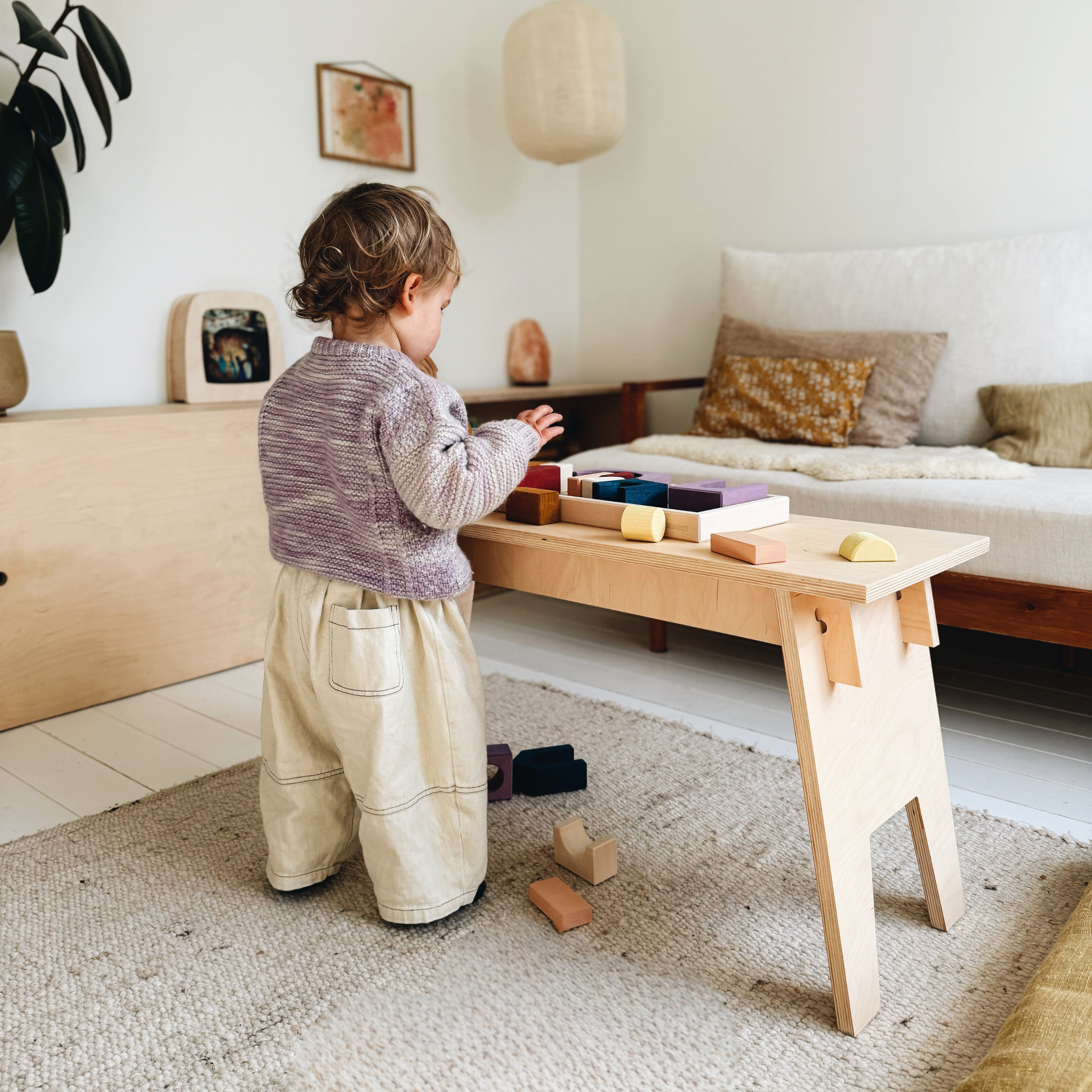
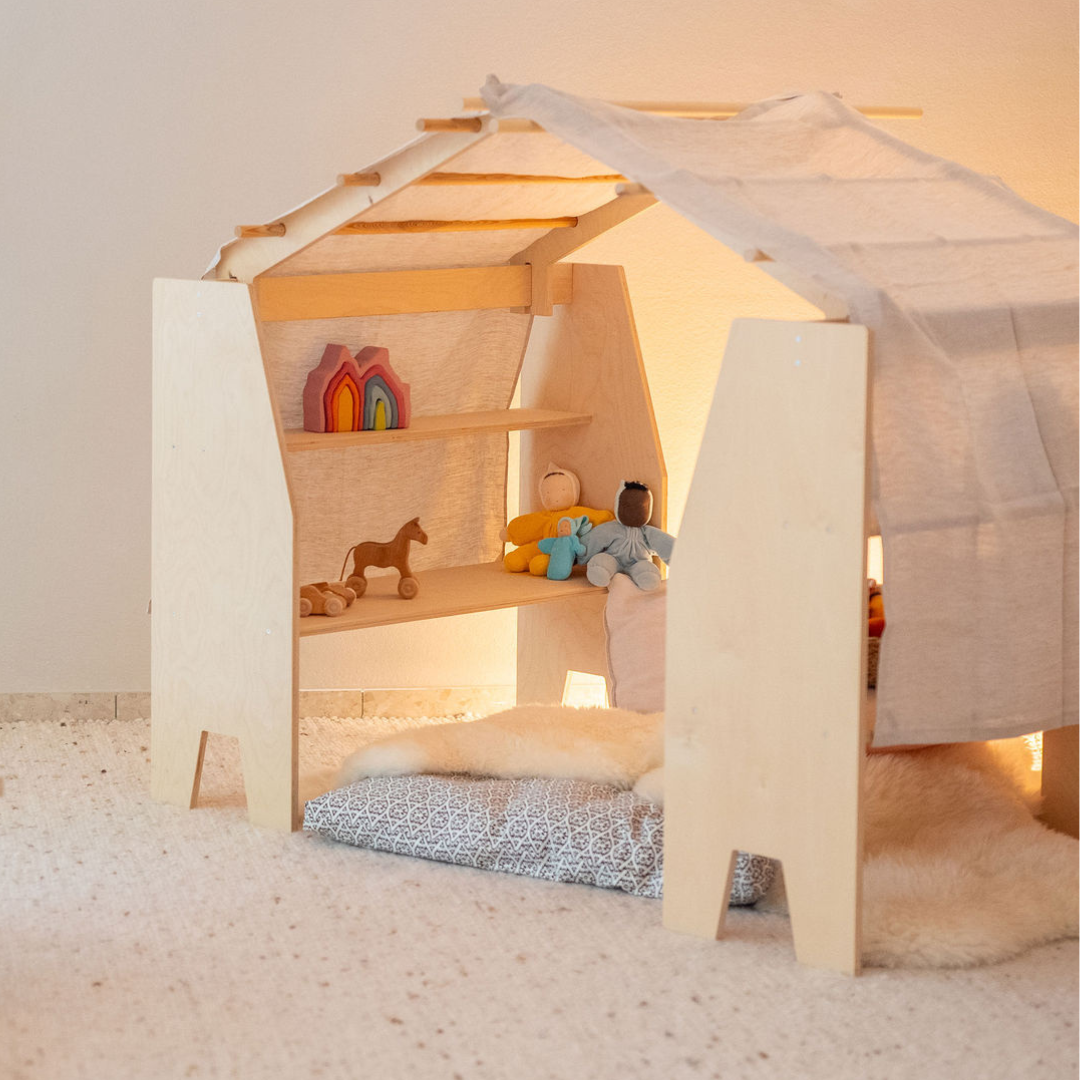
Many clients tell me, for example, that they would love to have a play area in the living room, but they simply don't want to constantly look at toys in the evening. That's why we often plan for concealed storage space here. The children then have plenty of room during the day to spread everything out and play creatively, but in the evening, everything quickly disappears behind doors. At the same time, it helps enormously to consciously choose beautiful and high-quality toys – those can definitely be visible.

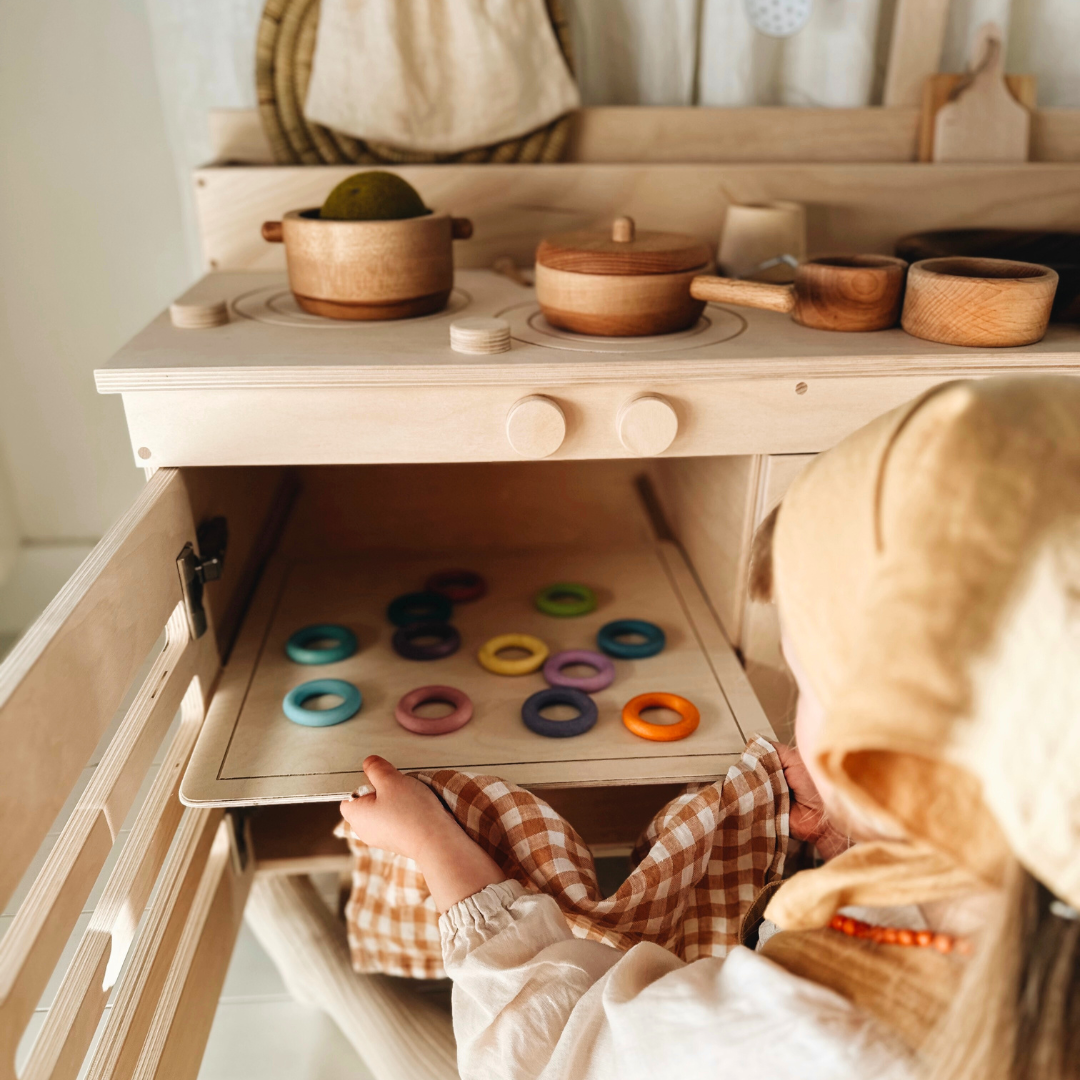
And the second big topic is the kitchen. Many are unhappy with it because smart storage for kitchen appliances and cooking utensils was not considered at all during planning. The result is that everything is left on the countertop and the room immediately looks cluttered, even if it's actually tidy.
How do you deal with "visible everyday life" – meaning toys, books, children's items?
For me, everyday life is meant to be visible in a home. A home isn't a museum. I think it's beautiful seeing signs that a family truly lives in a space.
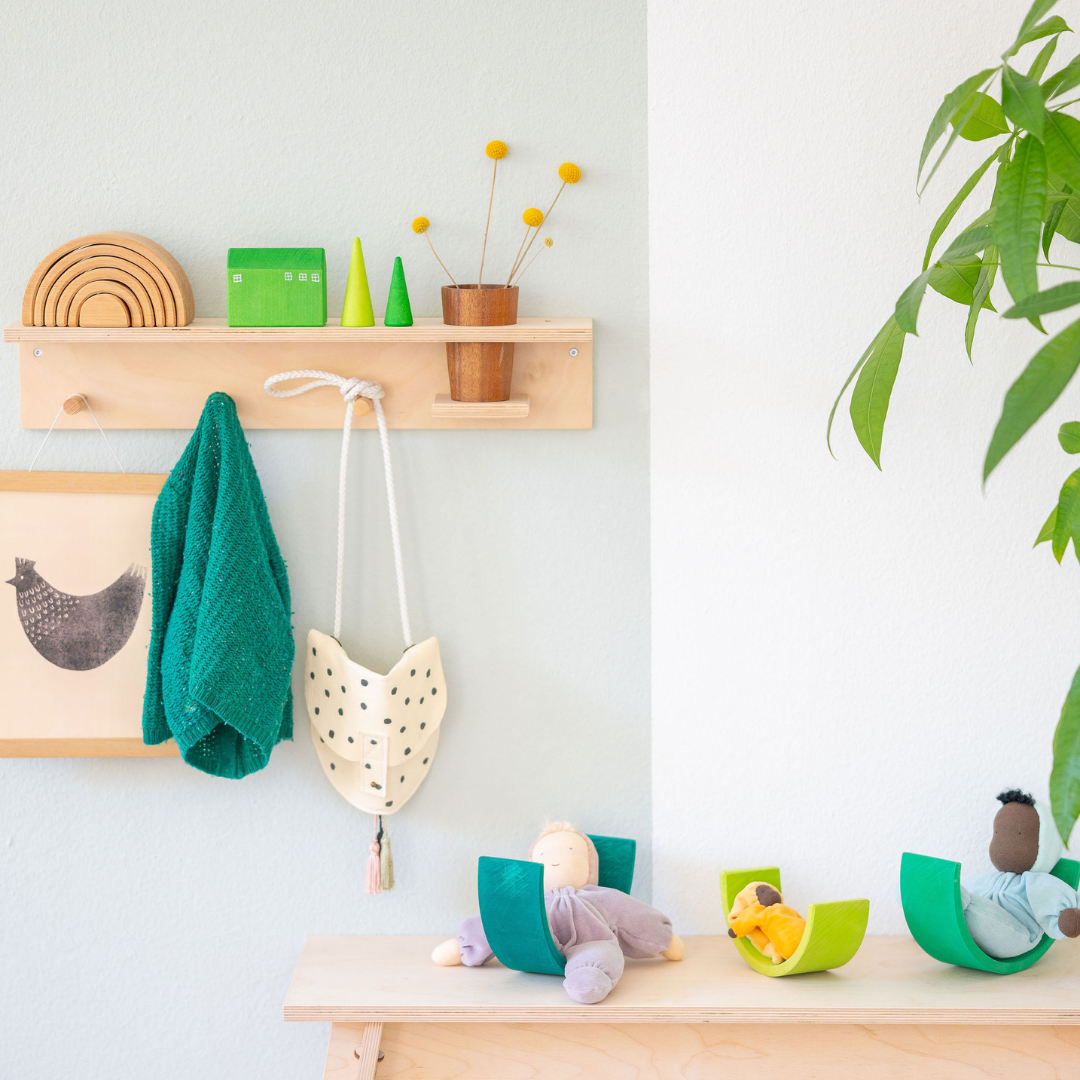
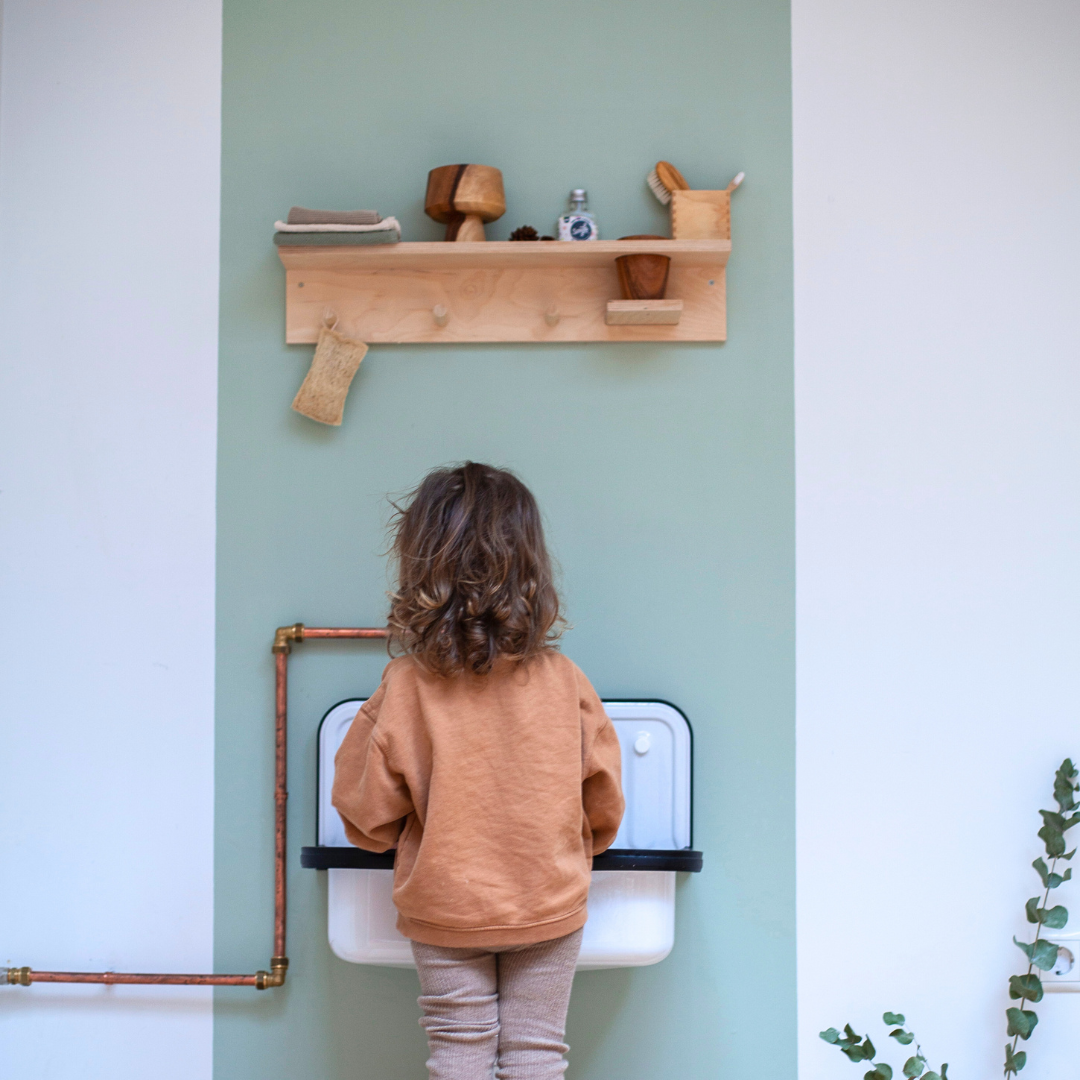
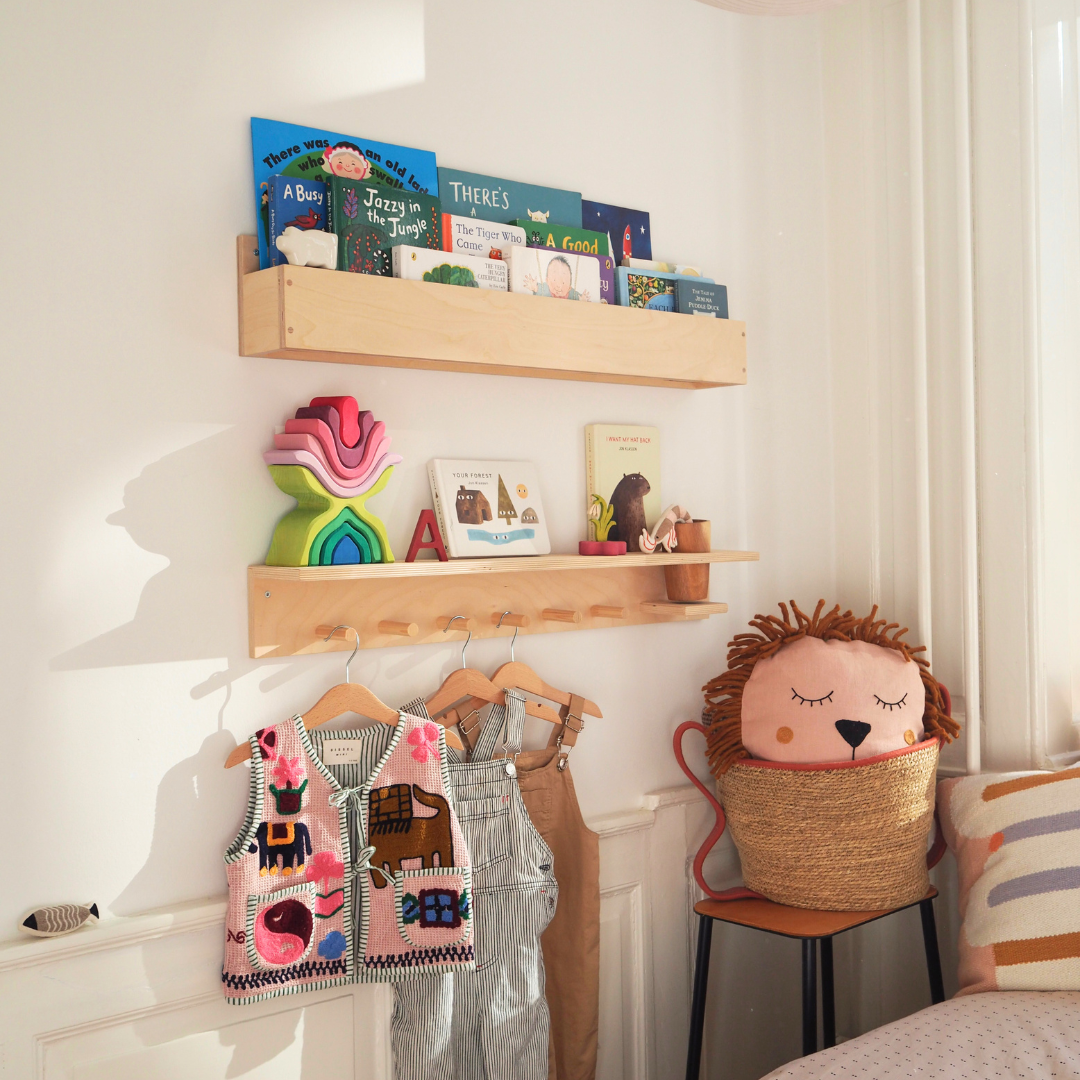
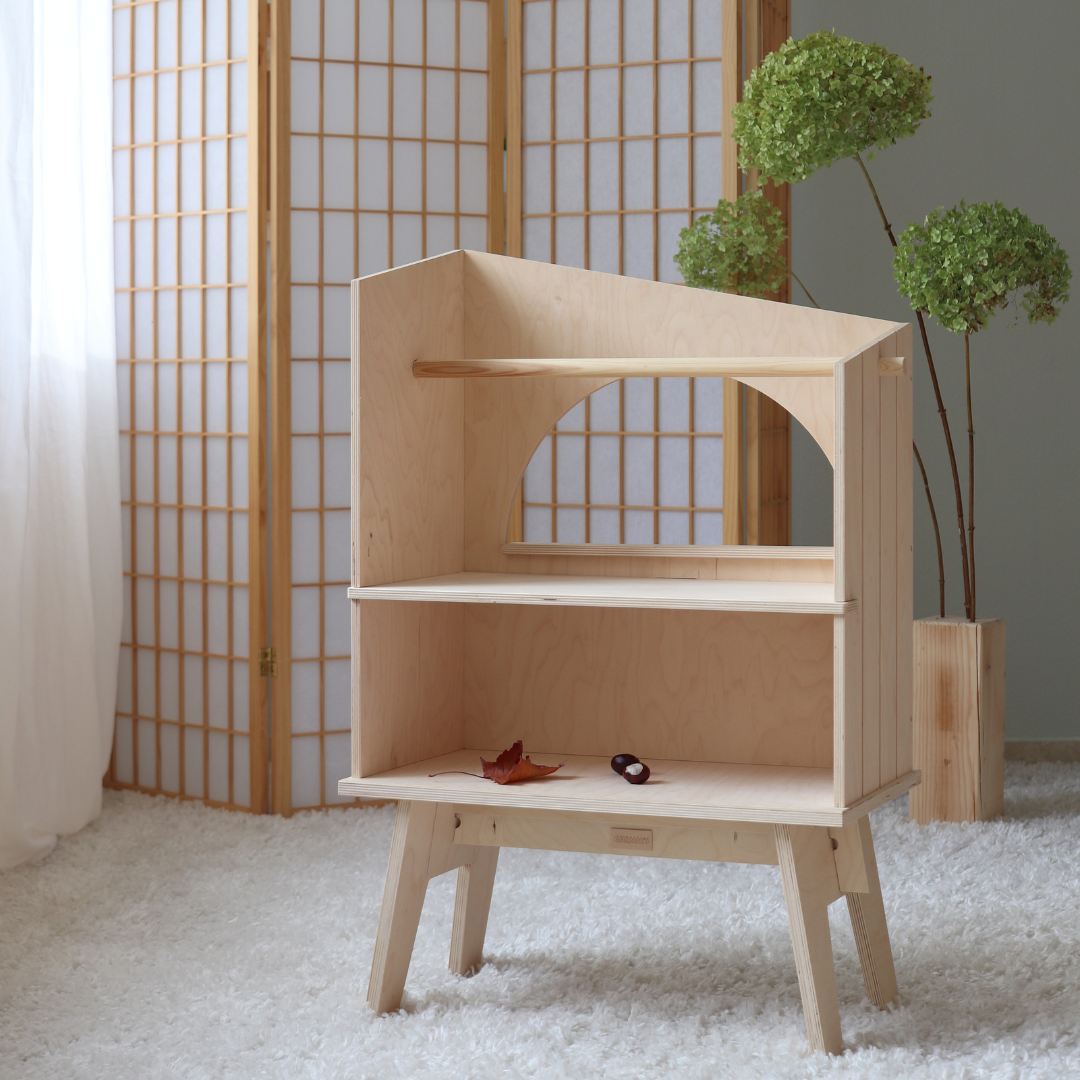
My approach is rather relaxed: things that are visible should either have a function or be aesthetically pleasing (preferably the second🙃). For children's books, for example, we often work with beautiful book ledges where the covers face forward. This looks great and children are much more likely to pick them up. An open shelf at children's eye level is also great. If a few selected items are within reach there, the little ones can help themselves and then easily put things away themselves.

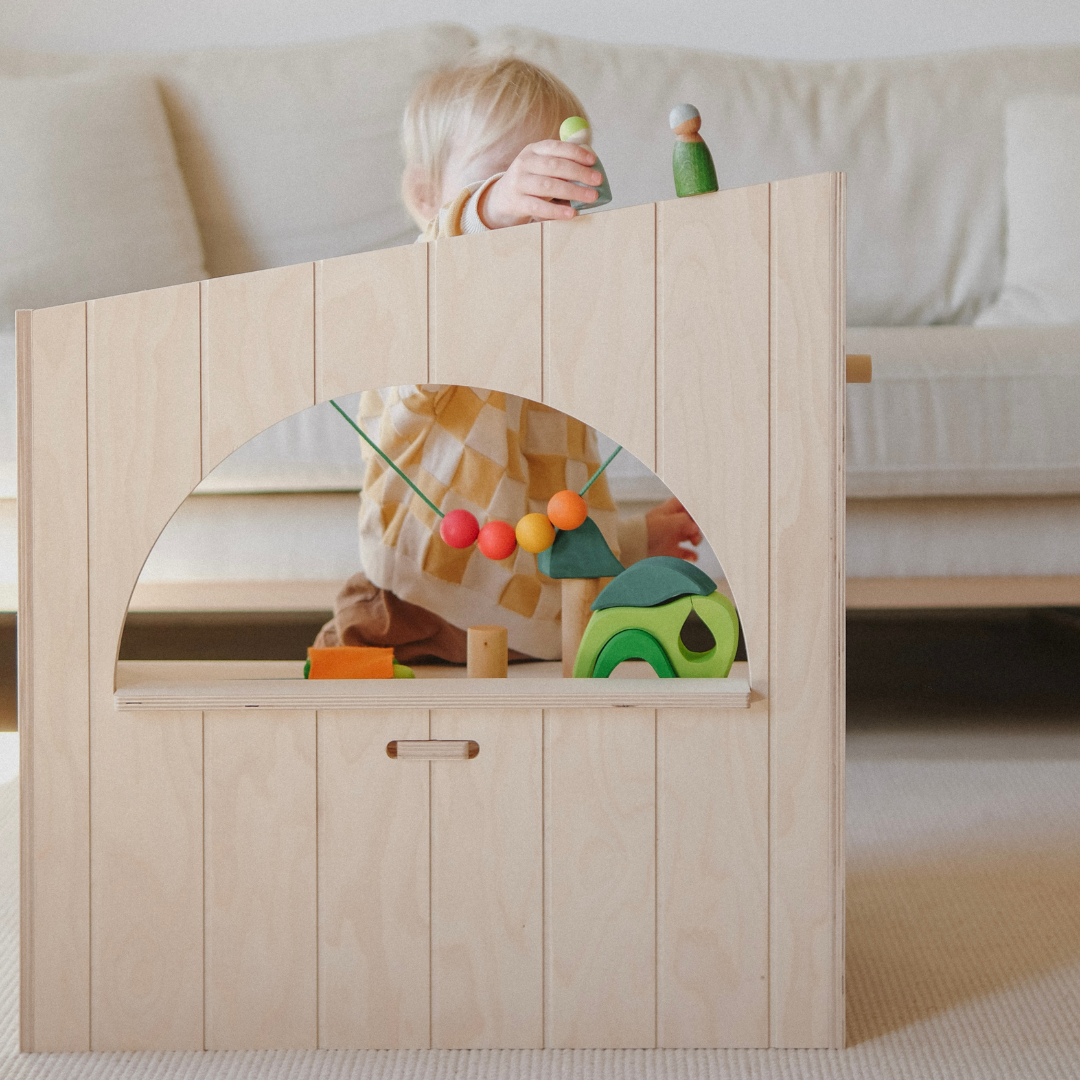
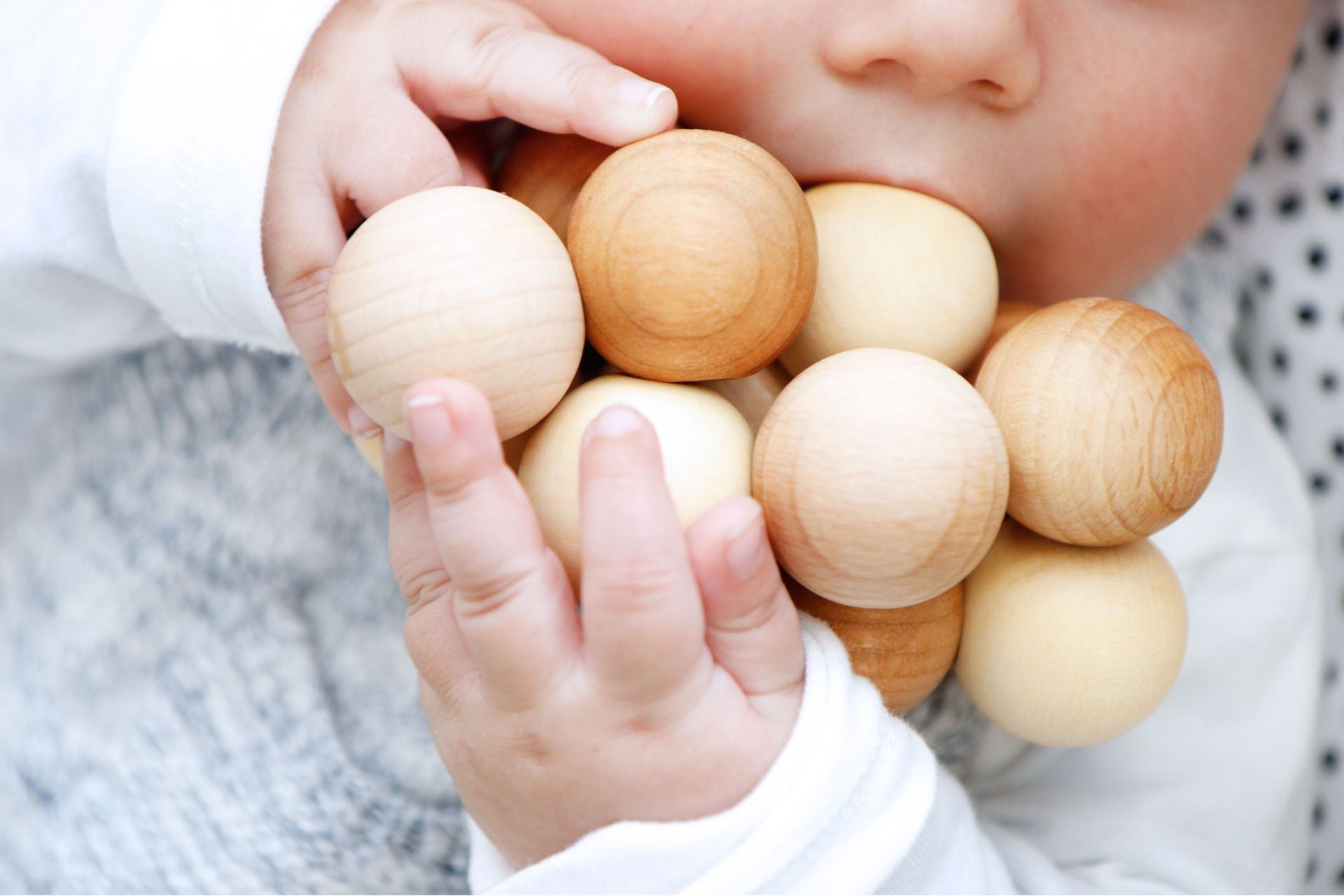
For toys or items that are left out during the day, quality and quantity make the difference. High-quality wooden toys, beautiful baskets, or well-designed children's chairs can and should be seen because they harmoniously fit into the overall picture. The key, in the end, is balance: Visible everyday life is perfectly fine, as long as it consists of favorite items and everything ultimately has a designated home.
Is there a common mistake people make when trying to create a sense of order or calm in a home?
The biggest misconception, in my opinion, is that many people believe that order is created by simply tidying up or by having more and more boxes and baskets. They then rush through the house on Saturdays, move things from A to B, neatly sort everything, and half a day later it looks exactly the same as before.

The problem is: if the foundation isn't right and there are simply too many things, no organizational system in the world can work. Many make the mistake of buying random boxes instead of investing properly in well-thought-out storage space. Genuine and lasting calm only comes once you’ve done a serious clear-out and then put in the right amount of closed storage to support it. You shouldn't try to manage chaos, but rather give things a permanent, invisible home. First declutter, then cleverly plan the storage space where everything can quickly disappear. This creates long-term calm.

How do you create visual calm without a room feeling impersonal?
Visual calm doesn't mean that everything has to be white or beige and no more decoration is allowed. That's exactly what often makes rooms impersonal.
The trick is to work with a calm base, for example, a harmonious colour palette of earth tones or soft natural colours for walls and large furniture, but it also works with selected bolder colours.
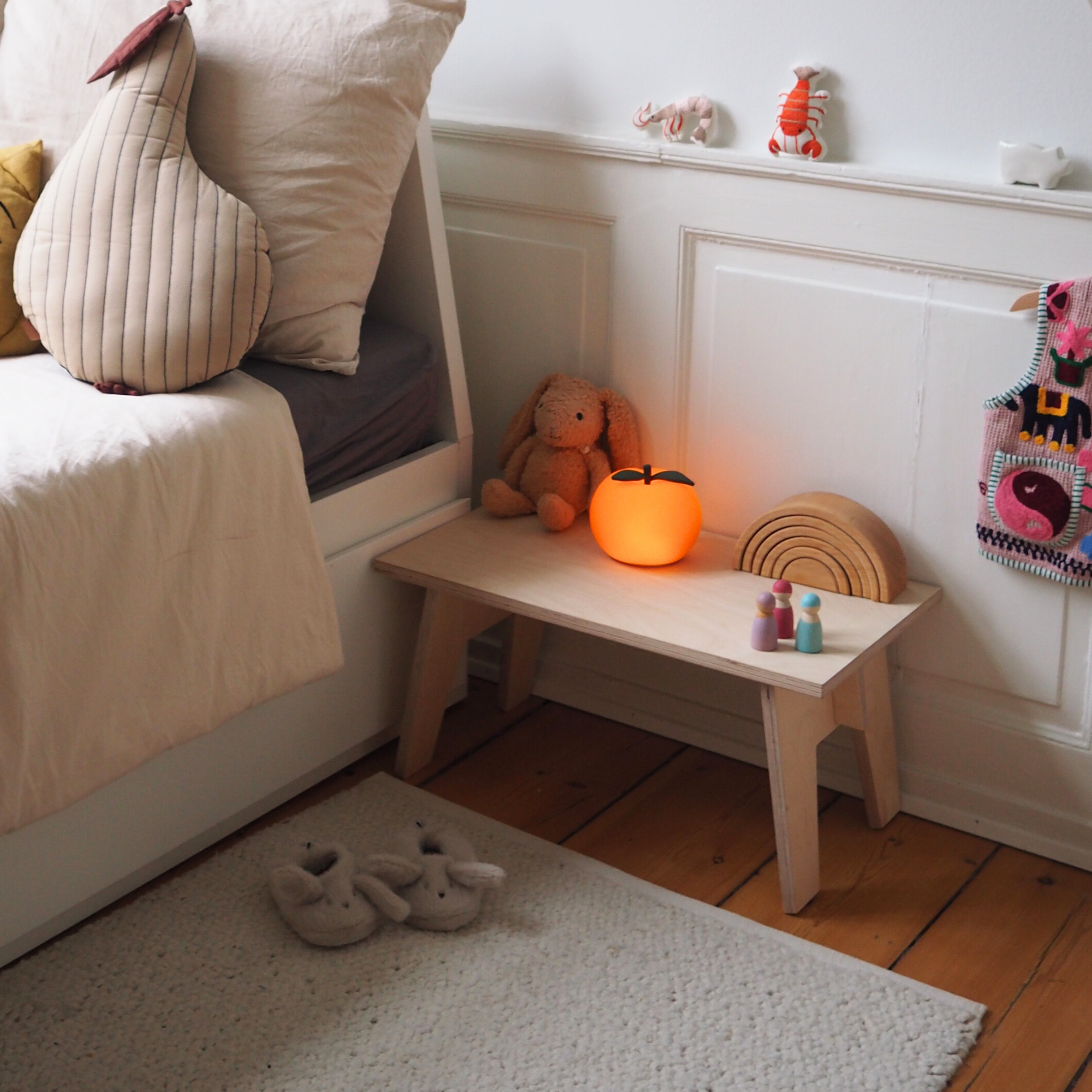
Personality then comes through the details and textures. Instead of a lot of small clutter lying around everywhere and creating unrest, it's better to focus on a few, but meaningful favorite pieces. This could be a great large picture, a special lamp, or personal souvenirs from a trip, arranged as a group instead of scattered throughout the room.

Materials like wood, natural fibers, or ceramics also bring a lot of warmth and life into a room without overwhelming the eye. In the end, a room then doesn't feel sterile, but simply extremely inviting and tidy.
One tip I always like to give is: decoration is allowed, but it helps to simply leave some surfaces empty sometimes; not every sideboard or kitchen counter needs to be decorated.
Thank you, dear Ronja, for the interesting interview and the great tips – this will surely help some moms and dads out there to bring a little more calm into their homes.
Ronja Rupalla is an interior designer, founder of Studio Eight, and creator behind @housenumbereight. Here, everything revolves around interior, design, and her own home. She is an entrepreneur and a mother herself.